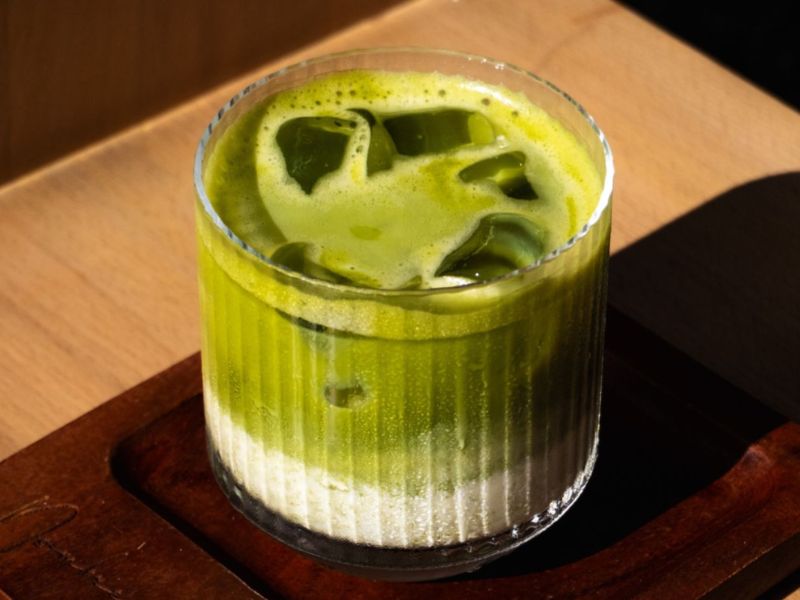
For many people, the day doesn’t truly begin until the first sip of coffee. For others, matcha has become the go-to choice for a smoother, more balanced energy boost. Both beverages have passionate fans, unique flavour profiles, and their own set of benefits.
But when it comes to matcha vs coffee, which one should you choose?
The answer depends on your taste preferences, lifestyle, and what you’re looking for in your daily cup.
Matcha is a finely ground powder made from specially grown green tea leaves. Unlike regular green tea, where the leaves are steeped and discarded, matcha is whisked directly into water or milk, allowing you to consume the entire leaf.
Originating in Japan, matcha is known for its vibrant green colour, earthy flavour, and naturally occurring antioxidants.
Today, matcha has become a favourite among health-conscious consumers and café enthusiasts alike, appearing in everything from traditional tea preparations to iced lattes and creative café beverages.
Coffee is made from roasted coffee beans and is one of the world’s most popular beverages. Its flavour can range from bright and fruity to rich and chocolatey, depending on the bean origin and brewing method.
Whether it’s an espresso, cappuccino, pour-over, or cold brew, coffee is celebrated for its bold flavour and immediate energy boost.
One of the biggest differences between matcha and coffee is how they deliver energy.
Coffee contains caffeine that is absorbed relatively quickly by the body. This often results in:
However, some people may experience jitters or an energy crash later in the day, particularly when consuming coffee on an empty stomach.
Matcha also contains caffeine, but it delivers energy differently.
Matcha contains an amino acid called L-theanine, which works alongside caffeine to promote:
Many people describe matcha as providing a smoother, longer-lasting energy boost compared to coffee.
The exact amount varies depending on preparation, but generally:
Beverage | Approximate Caffeine |
Espresso Shot | 60–80 mg |
Cup of Coffee | 80–120 mg |
Matcha | 30–70 mg |
Coffee typically contains more caffeine than matcha, making it the preferred choice for those seeking a stronger boost.
Matcha offers a gentler caffeine experience that many people find easier on the body.
Coffee flavours can include:
Its flavour is often bold, rich, and complex.
Matcha typically offers:
When paired with milk, matcha becomes smooth, refreshing, and approachable even for first-time drinkers.
Matcha is particularly well-known for its antioxidant content.
Because the entire tea leaf is consumed, matcha contains high levels of catechins, which are naturally occurring plant compounds associated with overall wellness.
Coffee also contains antioxidants and has been studied extensively for its potential health benefits when consumed in moderation.
Both beverages can be part of a balanced lifestyle.
The answer depends on how you work.
In recent years, matcha has become one of the fastest-growing café trends around the world.
Consumers are increasingly looking for:
From iced matcha lattes to fruit-infused matcha creations, cafés are constantly finding new ways to showcase this versatile ingredient.
The truth is that it doesn’t have to be an either-or decision.
Some people start their mornings with coffee and enjoy matcha later in the day. Others switch between the two depending on their mood, schedule, or energy needs.
If you’re looking for bold flavour and a quick boost, coffee remains a timeless favourite.
If you want a smoother, more balanced experience, matcha may become your new go-to.
At Nombre, we celebrate both worlds. Whether you’re a dedicated coffee enthusiast or exploring matcha for the first time, there’s always something new to discover.
From specialty coffees to creative matcha beverages, every drink is crafted with attention to quality, flavour, and experience.
The next time you’re deciding between matcha and coffee, why not try both and find your favourite?
We use cookies to improve your experience on our site. By using our site, you consent to cookies.
Manage your cookie preferences below:
Essential cookies enable basic functions and are necessary for the proper function of the website.
These cookies are needed for adding comments on this website.